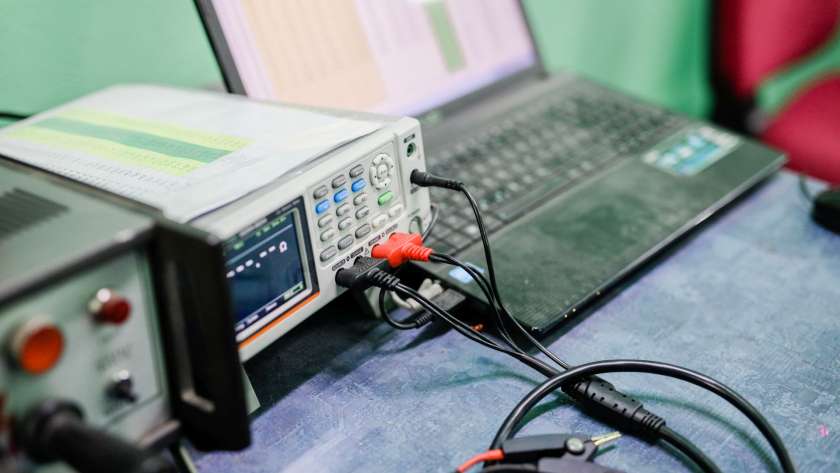
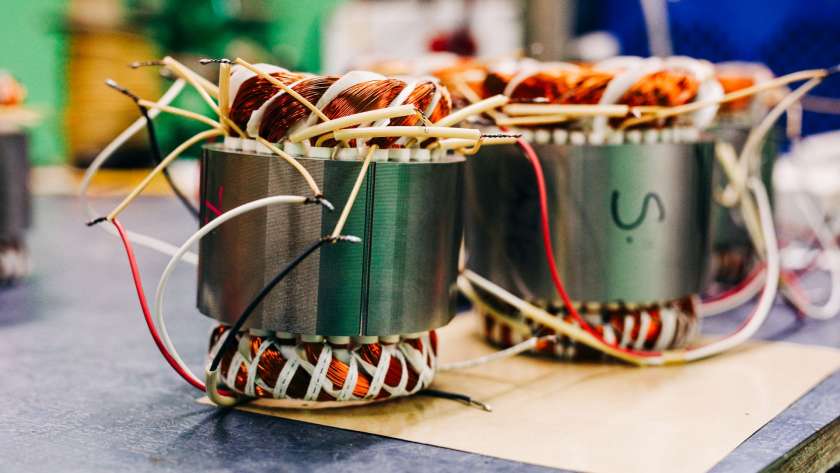
The role of the frequency converter in industrial drive systems A frequency converter enables precise control of an electric motor's speed and torque. In modern industrial facilities, speed control is essential for energy efficiency and process stability. Reducing electricity consumption In systems such as pumps and fans, running at full capacity isn't always necessary. A…
Preventive maintenance as part of risk management Electric motor maintenance should not be seen as a cost, but as a risk management strategy in production. Scheduled inspections include: Insulation checks Vibration analysis Thermal diagnostics Bearing inspection Electrical parameter checks Reducing unplanned downtime Unplanned downtime in industrial drive systems can cause serious financial losses. Preventive maintenance…
Factors influencing the decision When deciding between overhauling and replacing an electric motor, the following must be analyzed: The motor's age and construction Energy efficiency class The cost of overhaul compared to the price of a new motor Availability of spare parts When overhaul pays off Overhaul is justified when: The motor's mechanical structure is…
Electrical causes of damage Overvoltage and unstable supply voltage Insulation damage System overload Short circuits Electrical problems often lead to permanent winding damage and the need for a complete motor overhaul. Mechanical causes Worn or damaged bearings Unbalanced rotor Improper shaft alignment Excessive axial load Mechanical failures often develop gradually and can be detected through…